Digital Optimus
What Is SEO and How Does It Work
What Is SEO
Summary
The following post explains the fundamentals of SEO, how Search Engine Optimisation helps websites rank higher in organic search by improving visibility, credibility and user experience, and highlights the value of partnering with expert SEO consultancy services and tailored SEO services for small businesses to drive sustainable online growth.
What is SEO and How It Works in Digital Marketing
In the ever-changing landscape of digital marketing, SEO emerges as a crucial foundation for enhancing visibility, establishing credibility, and fostering sustainable growth. If you're seeking to comprehend how search engines determine the ranking of pages, you've landed in the right place. This post delves into the essence of SEO, its operational mechanisms, and the significant impact that collaborating with the right SEO and website design firm can have on your online presence.
Introduction to SEO: The Core Idea
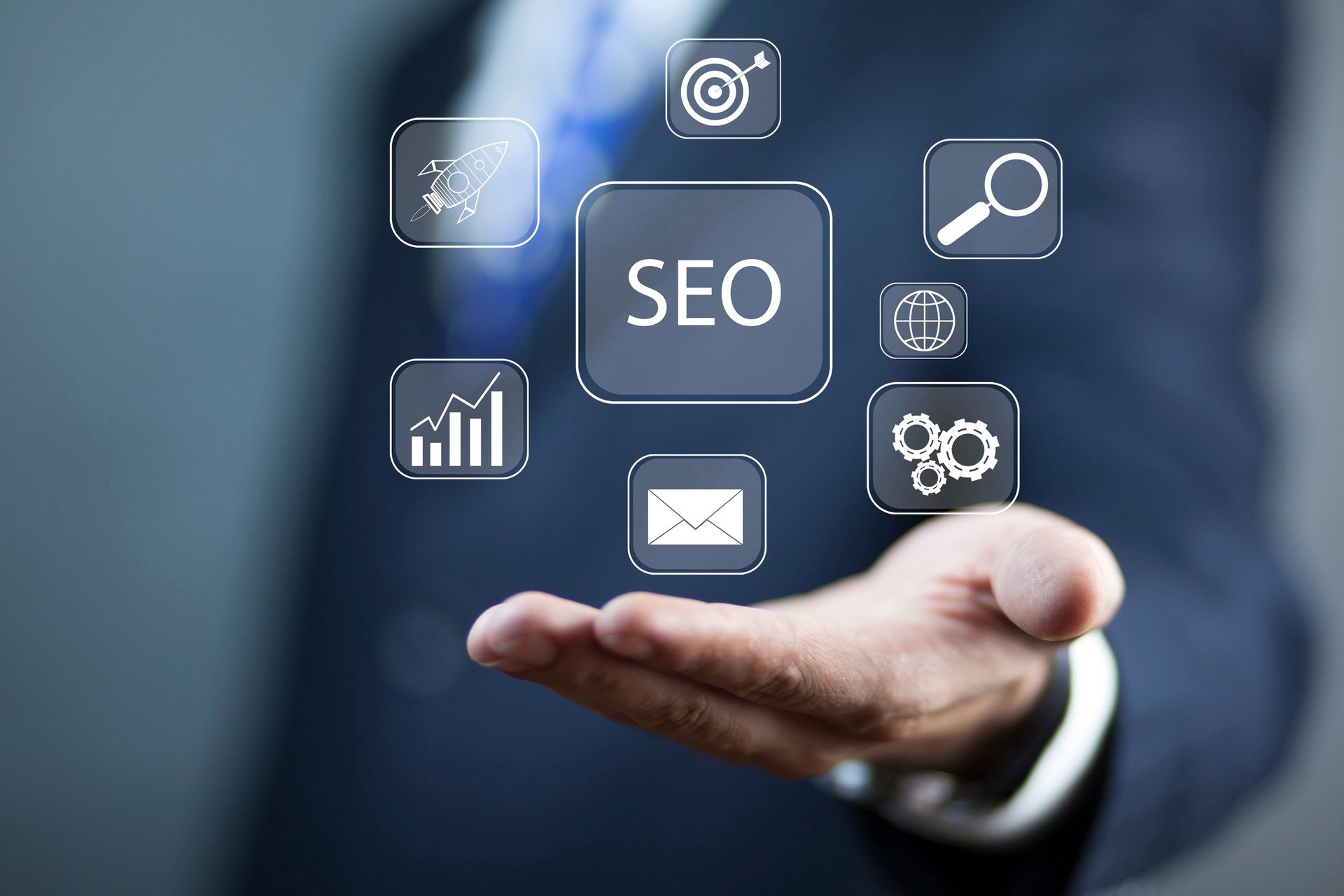
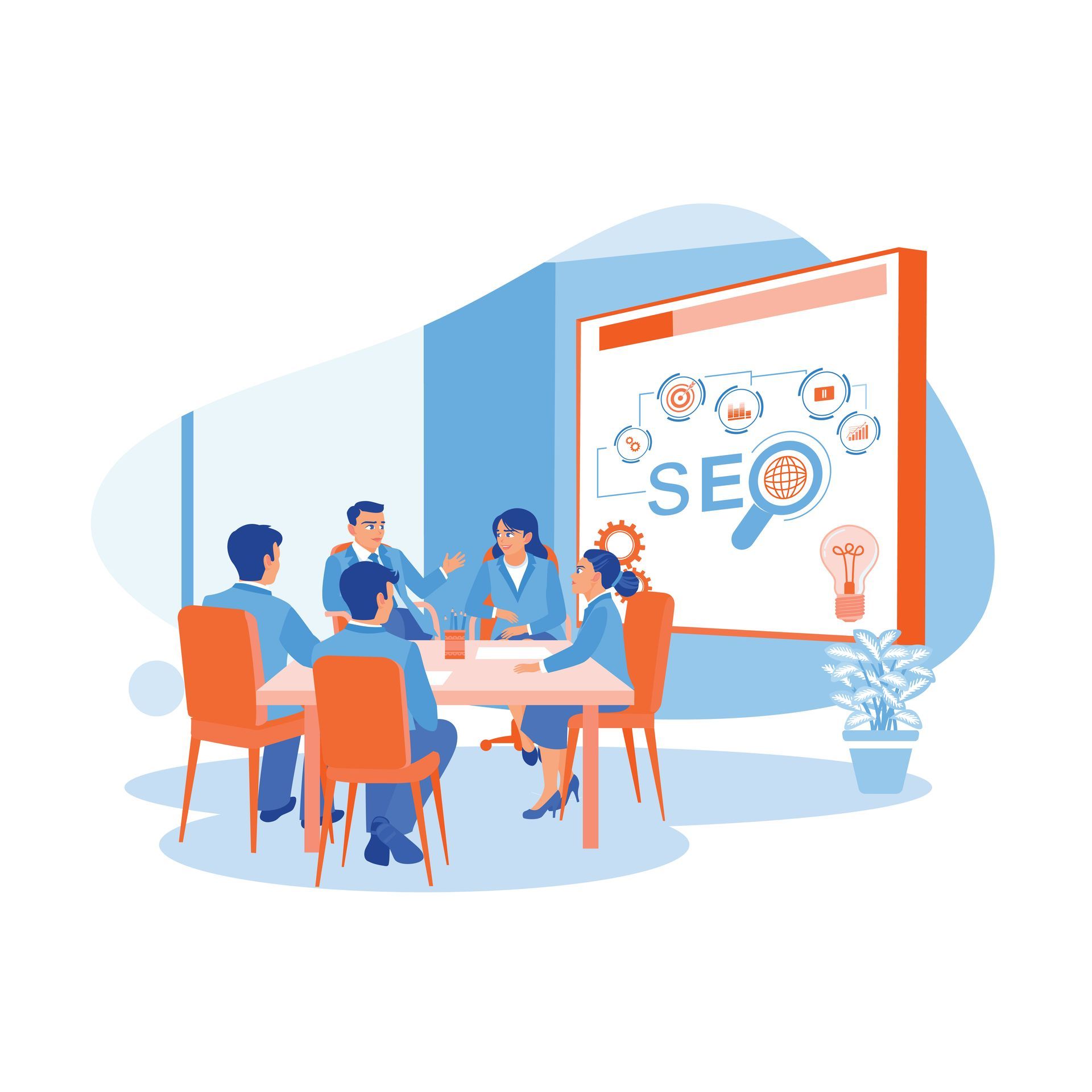
Search Engine Optimisation, commonly known as SEO, focuses on refining a website to secure higher positions in organic (non-paid) search results. The goal is clear: when users input queries related to your products or services, your site should stand out, garner more clicks, and successfully convert visitors into customers. SEO isn’t about tricking search engines; it's about understanding user intent and delivering a quality experience that meets those expectations. At Digital Optimus, we assist businesses by offering SEO consultancy Services and enhancing their visibility through effective SEO practices.
The fundamental aspects of SEO include technical optimization, quality content, user experience, and credible endorsements from other websites. When these components work in harmony, search engines recognize your site as a trustworthy source for the inquiries users are making.
How SEO Functions: The Three Fundamental Pillars
SEO is driven by multiple interconnected systems, yet most specialists distill it into three essential pillars:
- Technical SEO: This aspect ensures that search engines can efficiently crawl, index, and render your website. Key elements include site speed, mobile optimization, secure connections (HTTPS), structured data, and an organized site architecture.
- On-page SEO: This focuses on the content and HTML components of your pages. It encompasses keyword optimization, informative headings, meta tags, internal linking, and engaging multimedia.
- Off-page SEO: This pertains to external signals impacting your site, especially backlinks from authoritative sources, brand mentions, and social engagement. Cultivating a trustworthy ecosystem around your brand enhances search engine credibility.
Grasping these pillars allows you to prioritize initiatives and track progress effectively over time.
The User-Centric Approach: Search Intent and Experience
Contemporary SEO centers on both users and algorithms. Search intent signifies the user's underlying goal when entering a query. Are they after information, comparing products, or seeking a how-to guide? Developing content that directly caters to these intents enhances relevance and user engagement.
User experience (UX) is equally crucial. A quickly loading, mobile-friendly, and easy-to-navigate website minimizes bounce rates and lengthens user sessions. This translates to a clean design, intuitive navigation menus, easily accessible content, and a logical information structure that guides users to find what they seek swiftly.
The Importance of Content: Quality, Relevance, and Value
In the world of SEO, content remains paramount. High-quality content not only answers questions but also addresses problems and offers unique value. To align with SEO objectives, content should be:
- Pertinent to the target audience's search inquiries
- Thorough, addressing related subtopics and long-tail keywords
- Well-organized with clear headings and easily digestible sections
- Backed by data, examples, and reliable sources
- Tailored for intent rather than merely focused on keywords
For many businesses, this involves crafting a content strategy that aligns the stages of the buyer’s journey with various content formats like blog posts, guides, FAQs, and case studies. When content consistently meets user requirements, it achieves higher rankings and attracts more organic traffic.
Keywords and the Essential Strategy
Keywords serve as the link between user intent and your content. An effective keyword strategy identifies the terms your audience employs, evaluates search volume and competition, and balances both short-tail and long-tail keywords. It’s not about excessive keyword usage; rather, it's about naturally integrating them into titles, headings, meta descriptions, and the overall copy to enhance readability.
When collaborating with a professional SEO and web design firm, consider developing keyword-rich landing pages tailored to specific product categories or services. The ideal partner helps you synchronize SEO efforts with your branding and user experience aspirations.
Technical SEO Essentials: What to Prioritise
Site speed optimisations: minimise render-blocking resources, optimise images, and leverage caching.
Mobile-first design: ensure a seamless experience on smartphones and tablets.
Secure connections: move to HTTPS with valid certificates.
Structured data: implement schema markup to help search engines understand content context.
Crawlability and indexation: use robots.txt appropriately and maintain clean sitemaps.
Core Web Vitals: focus on loading performance, interactivity, and visual stability.
Addressing these elements can yield noticeable improvements in crawl efficiency and ranking potential.
Building Authority: Off-Page SEO and Brand Signals
Backlinks from reputable sites remain a powerful signal of trust and relevance. However, the best approach is to earn links naturally through outstanding content, relationships, and credible outreach. Brand searches, reviews, and social engagement also contribute to perceived authority. A strong off-page strategy complements on-page and technical efforts, creating a holistic growth engine.
The Business Value of SEO: Why Invest in a Professional Partner
Investing in SEO contributes to long-term growth, higher conversion rates, and cost-effective customer acquisition. With a clear strategy, you can attract more qualified traffic, improve user engagement, and increase revenue. For many businesses, collaborating with an seo and website design company brings expertise in both search optimization and user-centric website development. This combination ensures that your site isn’t just technically sound and compliant with best practices, but also visually compelling and conversion-focused.
Practical Steps to Start or Improve Your SEO
- Define audiences and buyer personas to tailor content and keywords.
- Conduct keyword research that balances volume with relevance and competition.
- Audit your website for technical issues and fix them systematically.
- Create a content calendar aligned with user intent and product goals.
- Build high-quality backlinks and cultivate partnerships within your niche.
- Measure and iterate: track rankings, traffic, conversions, and engagement metrics.
- If you’re unsure where to begin, a professional seo and website design company can perform a comprehensive audit and outline a practical roadmap.
Final thoughts
SEO is a dynamic, long-term discipline that blends technical prowess, content strategy, and user experience. By understanding how SEO works within digital marketing, you can make smarter decisions about what to prioritise and how to measure success. The right partners, including an seo and website design company, can accelerate results by aligning technical improvements with compelling content and a smooth user journey. Embrace SEO as an ongoing process, and you’ll build a resilient online presence that serves your audience and grows with your business.
This article was brought to you by Digital Optimus a Single Stop Shop, offering SEO services for small businesses and helping businesses unlock growth through smart, scalable digital solutions.
Related Articles
Website Design: The Silent Influencer of Trust and Credibility
From Chaos to Cohesion: 7 Opportunities for a Unified Online Presence
Lost in the Crowd? Boost Your Digital Discoverability in 2026
Beyond Traffic: 4 Trends for Converting Website Visitors into Valued Customers